Espresso & Coffee
Tamper
Compacts the dose into a level, even puck
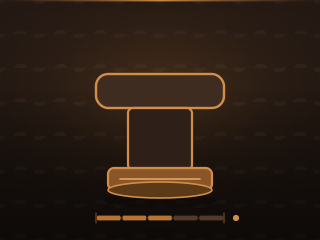
Overview
A flat-faced piston that presses the loose dose into a compact bed. Its real job is not force — it is making the surface flat and the bed evenly dense.
Tamping puts load through the wrist and forearm. Keep the wrist straight, press with the shoulder, and use a tamping mat rather than the counter edge.
Technical parameters
| Diameter | 58.4–58.5 mm for a 58 mm basket |
|---|---|
| Base | Flat (default) · convex · rippled |
| Effective force | ~10–15 kg; more adds nothing |
| Material | Stainless steel base, wood or metal handle |
| Levelling | Collar-guided or spring-loaded options |
What actually goes wrong
- Level the bed with a distribution tool or a light shake before tamping — tamping cannot fix a mound.
- Press until the puck stops moving, then stop. Grinding finer and tamping harder is not a fix for a fast shot.
- A tamper that rattles in the basket is the wrong size.
What it has to match up with
- Basket of the same nominal diameter
- A tamping mat or stand
This guide is an independent educational reference. It is not a substitute for the instructions supplied with your own equipment, and nothing here is sold, sponsored or endorsed by any brand.
Related guides
Read next
Espresso & CoffeeBrew3D
Espresso Machine
The pressure source, and the only tool that decides the ceiling
Espresso & CoffeeSetup
Portafilter
The handle that carries the basket and locks into the group
Espresso & CoffeeBrew
Puck Screen
A fine mesh disc that sits on top of the puck
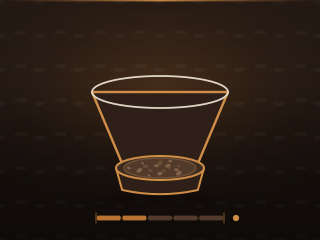
Espresso & CoffeeGrind
Dosing Funnel
A collar that stops the grind spilling over the basket