Grinders & Scales
Coffee Scale
Measures the two numbers that make a recipe repeatable
Overview
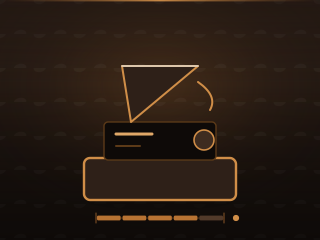
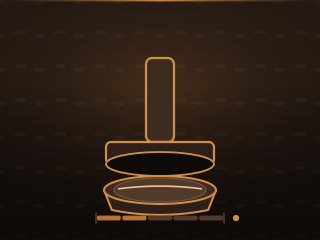
A scale that reads to a tenth of a gram and usually includes a timer. Coffee is a ratio, and a scale is the only way to know either half of it.
Batteries in a wet environment are a real hazard. Keep the charging port dry, never charge a scale that has been spilled on, and do not submerge it to clean it.
Technical parameters
| Resolution | 0.1 g |
|---|---|
| Capacity | 500 g – 3 kg |
| Timer | Built-in, 0.1 s display |
| Response | < 1 s to stable reading |
| Power | USB-C rechargeable |
| Water resistance | Sealed or splash-resistant top |
What actually goes wrong
- Tare the cup, then brew to a target weight — stop the shot on the number, not the clock.
- Check the scale is level; a tilted scale reads light on one side.
- Use the timer for every brew for a week and you will learn your recipe.
What it has to match up with
- Any dripper, machine or press
- Dosing cup
- A recipe with a stated ratio
This guide is an independent educational reference. It is not a substitute for the instructions supplied with your own equipment, and nothing here is sold, sponsored or endorsed by any brand.
Related guides
Read next
Grinders & ScalesGrind3D
Burr Grinder
The single biggest upgrade to any coffee setup
Grinders & ScalesGrind
WDT Tool
The cheapest upgrade that changes the most
Grinders & ScalesGrind3D
Hand Grinder
The same burr geometry, driven by hand
Grinders & ScalesGrind
Distribution Tool
Levels the bed before the tamper goes in