Grinders & Scales
Hand Grinder
The same burr geometry, driven by hand
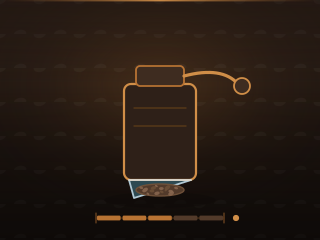 3D model available
Overview
A manual grinder with a crank and a set of conical burrs. Slower than a motor, quieter, and often better-aligned than a motorised grinder at the same price.
The crank and the burr shaft are a pinch point. Keep fingers clear of the top of the shaft while turning, and do not over-tighten the adjustment past its stop.
Technical parameters
| Burr size | 38–48 mm conical typical |
|---|---|
| Grind time | 20–40 s per dose |
| Adjustment | External, numbered clicks preferred |
| Best range | Pour over, AeroPress, travel |
| Capacity | 20–40 g per fill |
| Body | Aluminium or stainless, often with wood |
What actually goes wrong
- Grind with the grinder braced between your knees and turn steadily rather than fast — speed does not shorten the grind much.
- Record the click number for each brew method so you can return to it.
- A drop of water on the beans before grinding cuts the static dramatically.
What it has to match up with
- AeroPress or dripper
- Coffee scale
- Travel kit
The Grind Size Visualizer models this in three dimensions and shows the numbers changing as you adjust it. It is a teaching simulation, not a substitute for the equipment’s own instructions.
This guide is an independent educational reference. It is not a substitute for the instructions supplied with your own equipment, and nothing here is sold, sponsored or endorsed by any brand.
Related guides
Read next

Grinders & ScalesGrind3D
Burr Grinder
The single biggest upgrade to any coffee setup

Grinders & ScalesGrind
Coffee Scale
Measures the two numbers that make a recipe repeatable
Grinders & ScalesGrind
WDT Tool
The cheapest upgrade that changes the most
Grinders & ScalesGrind
Distribution Tool
Levels the bed before the tamper goes in